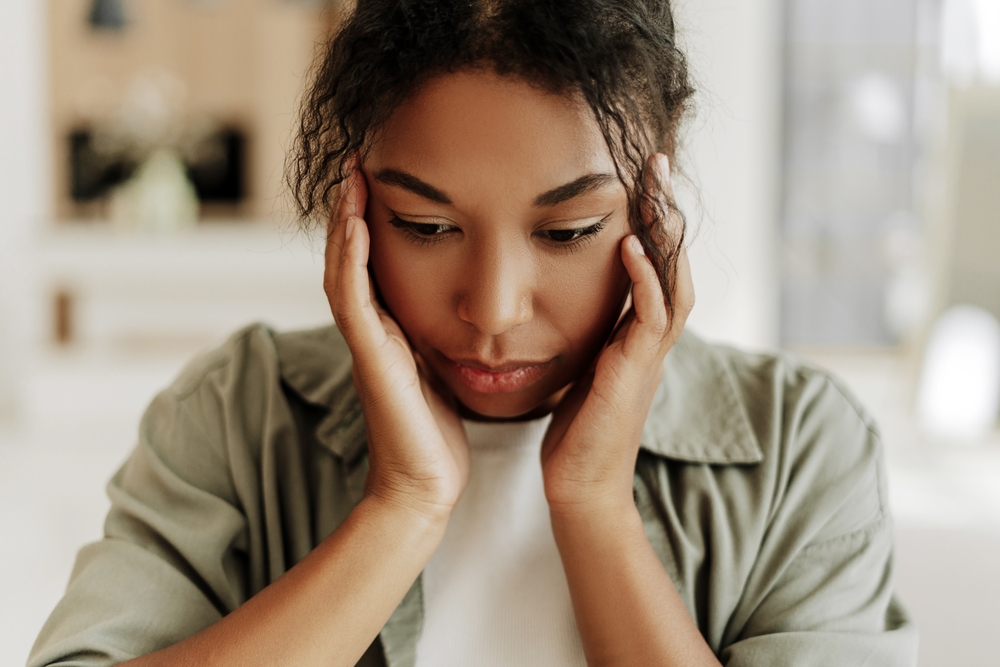
Some people believe that anxiety is only associated with panic or extreme fear. But in reality, anxiety occurs in many different ways. One form is mild anxiety, and it’s a common condition that affects millions of people every day. Let’s understand first all types of anxiety, including how to manage them.
What are the different levels of anxiety?
Anxiety generally comes in different forms. Compare it to the steps of a ladder and think of it as a ladder:


- Mild anxiety: This is the first step. You may feel a little nervous or upset, but you can still think clearly and carry out your daily activities. Physical symptoms like finger tapping or restlessness may appear.
- Moderate anxiety: This is a stage in which your concentration is significantly impaired. Your heart may race, you may sweat profusely, or you may feel shaky.
- Extreme anxiety: At this stage, awareness becomes so impaired that you may not even realize what’s happening. You may become confused or do things without realizing it. Understanding becomes increasingly difficult. Your body will show even more intense signs, such as a rapid heartbeat or difficulty sleeping.
- Panic level: At this stage, anxiety completely takes control. You may temporarily disconnect from reality, wander around, or isolate yourself completely. This level is an emergency situation, and immediate care is necessary.
Is mild anxiety normal?
Yes, a little anxiety is completely normal. It’s part of the human condition. In fact, it’s something everyone experiences at times. It can sometimes act as a push (aka motivation):
- When guests arrive, you feel like cleaning up quickly.
- When you’re preparing for an important exam, it keeps you focused.
- It makes you less nervous, so you can prepare for a job interview.
- It keeps you alert in new situations.
The problem begins when mild anxiety persists for too long, or, in the worst case, it starts interfering with your daily life.
Mild level of anxiety feel like
Some common experiences of mild anxiety include:
In your mind:
- Repeated worrying
- Thinking “what if something bad happens”
- Feeling like something is wrong
- Having difficulty making even simple decisions
- Getting angry more quickly than usual
In your body:
- Restlessness and inability to sit still
- Even small movements like nail biting or twirling your hair may be felt
- Gurgling in your stomach
- Pain in your shoulders and neck, these are areas where you feel pressure
- Even after a good night’s sleep, you may feel extremely tired
In your daily life:
- You can still work or study and spend time with friends
- You’re worried about things, yet you keep moving forward
- You’re still making plans for the future
- You don’t avoid people and places
- You can sleep, but this may take time.
The best thing about mild anxiety is that it bothers you, but it doesn’t prevent you from living your life.
How do you get rid of anxiety?
It will take some time, and you’ll need to be patient with yourself to get better from anxiety. There’s no quick fix, but some methods are known to work really well. Remember, you are stronger than your anxiety.
Start with your body:
Your body and mind should work together. When you’re physically healthy, you can be mentally healthy as well. Maintaining good physical health is the foundation for managing anxiety.
Exercise daily: Whether it’s a short 20-minute walk, jumping and moving to the rhythm of music, or simply stretching, exercise releases chemicals that are good for the brain, making a person feel happier and calmer.
A good night’s sleep: When someone feels tired, almost everything becomes more difficult, even worries. Make sure you go to bed and wake up at the same time every day. Create a calm and comfortable environment in your bedroom. Don’t use your phone or computer for an hour before bed.
Eat healthy: The truth is, the food we eat can affect our emotions. Choose foods like fruits, vegetables, and whole grains. Try to avoid caffeine or sugar, as these can increase anxiety.
When anxiety strikes, try these simple methods to feel more in control:
Deep breathing:
When you’re upset, don’t breathe fast or forcefully. Slow, deep breathing helps cool the body. Try inhaling slowly 4 times, holding the breath slowly 4 times, then exhaling slowly 6 times. Repeat this 5 times in a row to complete one round.
The 5-4-3-2-1 method:
This is great for times when you’re overwhelmed by thoughts. Look around and name things:
- 5 things you can see
- 4 things you can touch
- 3 things you can hear
- 2 things you can smell
- 1 thing you can taste
Write down your thoughts:
Keep a simple diary in which you write down your worries and thoughts. You’ll often find that expressing your thoughts makes them less threatening, resulting in reduced anxiety symptoms.
Question your worries:
Whenever a worrying thought comes to mind, ask yourself if it’s true. Is this thought really helpful? What would you say if your friend were in this situation?
Seek professional help:
Of course, there are times when we need help beyond self-help, and that’s perfectly normal. Signs that you should seek help:
- Anxiety persists or increases even after using self-help techniques.
- Impact on day-to-day activities, including avoiding activities or places you previously enjoyed.
- Stress is affecting your work or relationships.
- Seek professional guidance to help you recover quickly.
Mental health professionals, such as board-certified psychiatrists, understand these disturbing feelings and can offer effective methods for recovery and emotional well-being. In this digital world, it is now easier to consult an anxiety doctor or anxiety specialist near me for any anxiety-related problems.
Online platforms like GABA Telepsychiatry offer expert psychiatric treatment online. They employ psychiatrists who have received specialized training and understand the mind and body and how anxiety affects them. For child mental health concerns or second opinions, you can also consult a child psychiatrist online.
What types of anxiety treatment options are available:
- Talk therapy is a process of self-discovery and a way to learn new coping skills.
- Mindfulness training teaches you the skill of observing thoughts and emotions without letting them dominate your work.
- Medications are used to support you while learning coping skills.
- Support groups help you connect with others who are in the same situation to understand you deeply, as well as assist you.
Remember that seeking help isn’t a sign of weakness; it’s actually a smart move that shows you value your mental health.