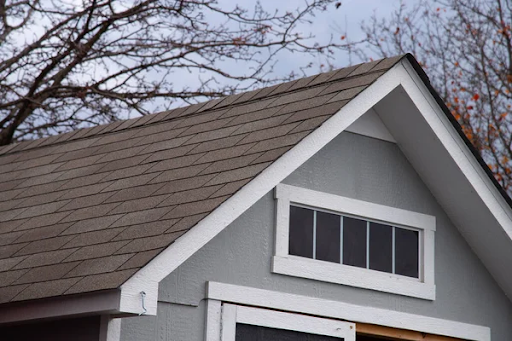
Have you ever looked at your roof and thought, “What really makes this thing last for years?”
A long-lasting roof is not about one single material or one quick choice. It is a full system. The roof covering, underlayment, flashing, ventilation, drainage, installation, and maintenance all work together.


When these parts are chosen well and cared for regularly, your roof can support comfort, value, and peace of mind for many seasons.
A Lasting Roof Starts With the Right Materials
Roofing materials set the foundation for long-term performance. Different homes need different materials based on climate, roof shape, budget, and style.
The best choice is the one that fits your house and local weather. A sunny area may benefit from reflective options, while a rainy area may need strong drainage planning and quality flashing.
What to Look for in Roofing Materials
Good roofing materials should match:
- Local weather
- Roof slope
- Home style
- Energy goals
- Maintenance needs
- Local building codes
Homeowners often search for roofing materials near by when they want options that fit local climate, code rules, and common home styles in their area.
Proper Installation Makes a Big Difference
Even strong materials need careful installation. A roof lasts longer when every part is placed with skill, patience, and the right methods.
Installation includes more than laying shingles, panels, or tiles. It also covers underlayment, fasteners, flashing, vents, edges, and cleanup.
Key Parts of Quality Installation
A well-installed roof usually includes:
- A clean roof deck
- Correct underlayment
- Proper fastener placement
- Secure flashing
- Straight material alignment
- Good ventilation planning
- Careful final inspection
When the details are handled well, the whole system works better.
Ventilation Helps the Roof Breathe
Ventilation is one of the quiet heroes of roof life. It helps air move through the attic and supports more balanced temperatures.
Good airflow can also help insulation work better. This makes the home feel more comfortable throughout the year.
A strong ventilation setup may include:
| Roof Area | What It Does |
| Intake vents | Bring fresh air into the attic |
| Exhaust vents | Let warm air move out |
| Insulation | Helps manage heat flow |
| Air sealing | Supports steady indoor comfort |
| Clear pathways | Helps air move properly |
Ventilation and insulation should work together as one system.
Flashing Protects the Details
Flashing is used around roof edges, chimneys, skylights, vents, walls, and other connection points. These areas need careful attention because they help guide water where it should go.
Good flashing is one of the most important parts of a roof that lasts.
Places Where Flashing Matters
Flashing is often used around:
- Chimneys
- Skylights
- Pipe vents
- Roof valleys
- Wall connections
- Roof edges
- Dormers
When flashing is installed neatly and checked regularly, it helps the roof system stay strong.
Drainage Keeps Water Moving
A roof needs a clear path for rainwater. Gutters, downspouts, valleys, scuppers, and roof slope all help water move away from the structure.
Good drainage is especially important for low-slope roofs. It also matters for homes surrounded by trees.
Simple Drainage Habits
Helpful drainage care includes:
- Cleaning gutters
- Checking downspouts
- Clearing roof valleys
- Trimming nearby branches
- Looking for areas where leaves gather
- Scheduling seasonal roof checks
Clear water flow supports the full roof system.
Climate Fit Adds Years of Value
A roof should match the climate around it. Sun, wind, rain, snow, humidity, and salt air can all guide material choice.
In sunny places, cool roof products may help reflect sunlight and support indoor comfort. The U.S. Department of Energy explains that cool roofs reflect more sunlight and absorb less solar energy than standard roofs.
Match the Roof to the Weather
Think about these climate needs:
- Hot climate: reflective colors or coatings
- Rainy climate: strong drainage and flashing
- Windy climate: secure fastening and rated materials
- Coastal climate: corrosion-resistant choices
- Cold climate: insulation and ventilation balance
A climate-matched roof is easier to care for over time.
Maintenance Turns a Good Roof Into a Long-Lasting Roof
A roof that gets regular attention often performs better for longer. Maintenance does not have to be complicated. It just needs to be consistent.
NRCA notes that regular inspections and proper maintenance are critical for long-term roof performance.
Easy Roof Maintenance Checklist
Use this simple rhythm:
- Check gutters each season.
- Look at the roof from the ground after storms.
- Keep nearby branches trimmed.
- Clear leaves from valleys.
- Schedule professional inspections.
- Keep photos and service records.
- Review flashing and vents during checkups.
Small steps help protect a big investment.
Documentation Helps You Plan Ahead
A roof file can make home care easier. Keep records of installation, materials, warranties, inspections, and maintenance.
This helps you know what was done, when it was done, and what may be planned next.
What to Keep in a Roof File
Include:
- Material details
- Warranty papers
- Installation date
- Inspection notes
- Repair records
- Photos
- Contractor contact details
Good records make roof decisions clearer.
Conclusion
A roof that actually lasts is built from smart choices and steady care. Materials matter, but so do installation, ventilation, flashing, drainage, climate fit, and maintenance.
When every part works together, the roof becomes more than a cover. It becomes a strong, well-planned system that supports your home year after year.